Canada Visitor Visa Refused? What to Do Next
Why visitor visas get refused, how to tell which line on the letter actually matters, and what to add before you apply again.
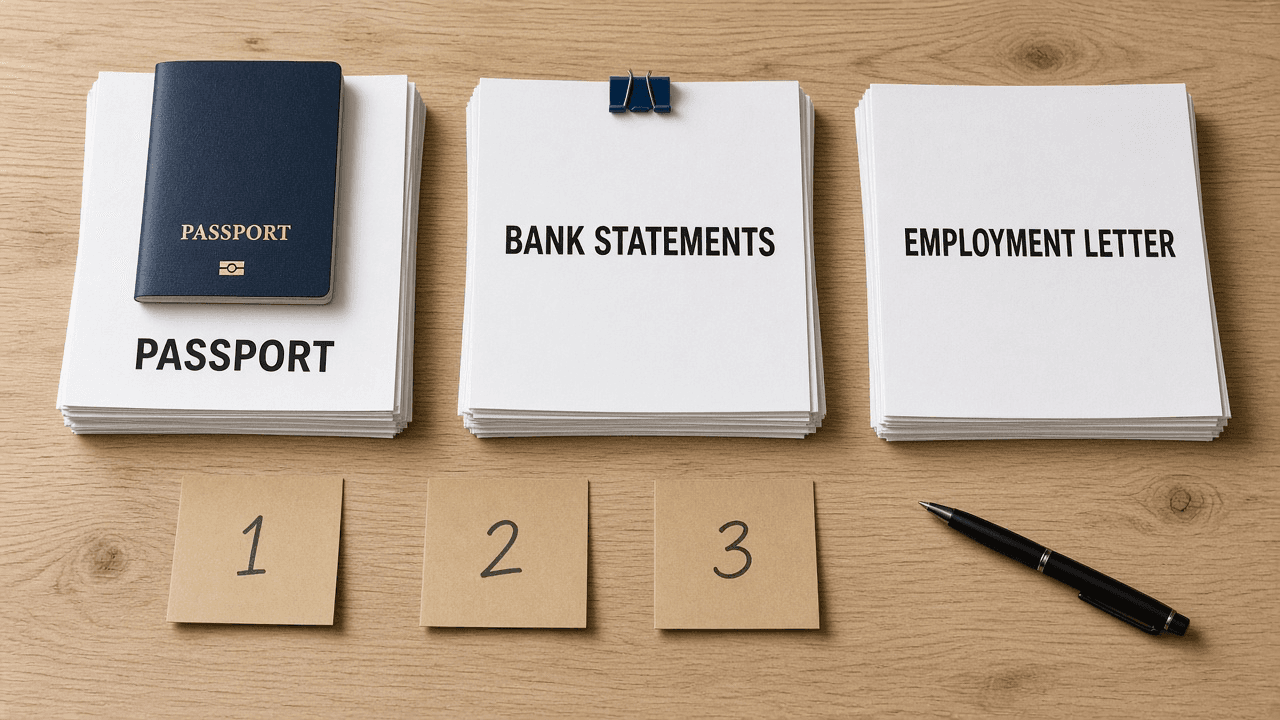
Read the letter. Find the factors under IRPR 179(b). Add the documents that answer those factors. Then reapply. Sending the same file again rarely changes the result.
The letter is the assignment. The fee can wait.
A visitor visa refusal closes one application. It doesn’t close the next one. You can file again, and you’ll pay again. What changes the result is being able to point at the line IRCC ticked and at a document that wasn’t in the last upload.
The officer already wrote the assignment. It’s on the letter. How to read that letter is the previous page. This one is what you do with it.
Step 1: Mark the factors on your PDF
Use the PDF from IRCC. If you only have a portal message, download the letter. A paraphrase drops the line you need. Find the paragraph that says the officer isn’t satisfied you’ll leave Canada, and the list under it.
That paragraph is IRPR 179(b): you’ll leave Canada by the end of the period authorized for your stay. Purpose of visit, personal assets and financial status, family ties, and travel history are how that test shows up on the page. They aren’t 179(c) or 179(d). Those paragraphs deal with your passport and with meeting the requirements of the class. Fix the factor your letter names.
The sentences around the list are template text. The useful part is which factors got ticked, plus anything in the decision note that names your documents.
Step 2: Each ticked line needs different paper
Letters often cite more than one factor. Usually one of them is doing the work. A bank printout doesn’t answer “purpose of visit.” An invitation doesn’t answer “personal assets and financial status.” If two are ticked, do both. Don’t pick the one that’s easiest to write about.
Purpose of visit
The officer couldn’t picture the trip. “Tourism” on the form, with no dates and no host, is how this line gets ticked. A longer invitation that still has neither doesn’t move it. The full breakdown is purpose of visit. If you already had an invitation and it didn’t save the file, read the host’s status.
Documents that belong with this line:
- Dates on the form that match a written plan for those same days
- Where you’ll sleep each night, tied to a booking or to the host’s address
- Who the host is in Canada, and what status they hold
- The wedding, graduation, conference, or family visit the trip is actually for
- The date you’re due back at work, school, or a business you run
Personal assets and financial status
Visitors have to show they can support the trip without working in Canada. IRCC doesn’t publish a balance that guarantees approval. Officers read the months before the closing number: where deposits came from, whether you can use the money, and whether the total fits the trip. A lump on a low balance is the lump-sum problem. You can sanity-check the arithmetic in the source of funds checker and the trip cost checker. Those tools don’t read your refusal. Come back to the letter after you run them.
Documents that belong with this line:
- The statements for the months before the closing balance, not a certificate that only shows today’s number
- Pay records that line up with the deposits, so salary isn’t just a sentence in a letter
- If a parent or spouse is paying, their statements and proof you can actually draw on that account
- For any deposit that dwarfs a normal month: the payer, the amount, and the date on one document
- One currency and one total across the cover letter, the document list, and the statement
Ties and employment
Officers treat this as a judgment call, so a job title on letterhead rarely settles it. They’re looking for a life that continues while you’re away and is still there when the visit ends. The writeup with a one-page matrix is weak ties. Employment on its own is the job line.
Documents that belong with this line:
- Approved leave, with the date you’re expected back on the payroll
- Who covers your work while you’re gone
- If you run a business: registration, recent tax filings, and proof it keeps operating
- People who stay behind and depend on you, named, not just “my family”
- School enrolment with the term that resumes after the trip, if you’re a student
Travel history
Limited travel to countries with similar visa checks (Canada, the US, the UK, Australia, New Zealand, Schengen) can weigh against you. It isn’t a rule that a first passport must be refused. The officer is looking for anything else that shows you comply and come back. More on that line is travel history.
Documents that belong with this line:
- Passport pages for trips you already took, including places applicants leave out
- Exit stamps or boarding passes that show you left on time
- If the passport is blank, the ties and the itinerary have to carry the file on their own
A second or third refusal of the same visit, with the same gap each time, is the three-refusal graduation case. The third application has to answer both earlier letters.
Step 3: Read the officer’s note before you reapply
Since July 29, 2025, IRCC attaches an officer decision note to most temporary resident refusals, including visitor visas. Permanent resident refusals followed on May 26, 2026. The note comes with the letter. You don’t request it. It can match the letter word for word, or it can keep a sentence the letter dropped: a deposit, a vague purpose, a prior refusal from another country.
That note doesn’t replace GCMS. GCMS is still the system the file lives in. A full copy — status changes, earlier entries, what was actually on the file — is an Access to Information request. Use that request when the decision note only repeats the refusal PDF. If you’re thinking about Federal Court, IRCC’s own page says to tell the Court you haven’t received the complete reasons, even if a decision note arrived, so the Court can ask for them. For a reapplication, start with the letter and the note you already have.
Visitor visas are on the list of applications that get the note. Electronic travel authorizations and temporary resident permits are not.
What the note adds when the letter stays generic:
- A deposit dated a few weeks before you applied, with no payer named.
- An invitation that doesn’t match the dates on the form.
- A job letter with no leave dates and no sign the salary reaches the account.
- A refusal from another country that the cover letter never mentions.
Step 4: Change the file, then pay
You may apply again. There’s no waiting period. The next officer sees the refused file. A cover letter that says “please reconsider,” with no new paper, doesn’t answer 179(b). In the new letter, say what was missing and point at the exhibit that’s new. Quote the factor, then name the new exhibit. “The refused file had no leave dates. The employment letter attached as exhibit 4 sets the return date and who covers the work.”
The short version of the reapplication rule is can I reapply. Fees, biometrics, and the portal steps are in how to reapply in 2026. Use that after you know what has to change.
If nothing in your life has changed, waiting is the honest move. A new job, six more months of clean bank history, or a trip you actually took and returned from will do more than a second copy of the same PDF set.
| Do | Don’t |
|---|---|
| Copy the factors from your own letter. | Swap in someone else’s refusal and treat it as yours. |
| Add documents that answer those factors. | Upload the same set with a longer cover letter and nothing new. |
| Treat 179(b) as one test, with factors under it. | Relabel finances as 179(b), ties as 179(c), and travel history as 179(d). |
| Say what was missing, then point at the new exhibit. | Lie or paper over a fact. Misrepresentation can make you inadmissible for five years. |
| Paste the letter into the analysis before you pay IRCC again. | Pay the fee the same day if nothing in the file changed. |
If your letter says this
Each of these is a different gap. Open the one that matches the factor on your PDF.
- How to read the refusal letter
- Why was my Canada visitor visa refused?
- The letter says weak ties
- The letter says purpose of visit
- The letter says the bank statement isn’t enough
- Refused even with an invitation letter
- Refused even with a good job
- Refused more than once
- Officer decision notes and GCMS
- Can I reapply after a Canada visa refusal?
Before you open the portal
Paragraph 179(b) is a documents test. The officer has to be satisfied you’ll leave. Saying you will doesn’t get you there. The pages you upload do, and they have to answer the factors already written on the refused file.
If you want that question answered against your letter, paste it in. The free preview names the main issue and quotes the line. The ranked analysis, if you want the evidence list and this week’s actions, is the paid step after the preview.
FAQ
Canada visa refused — what do I do first?
Read the refusal letter and write down the factors under the 179(b) line. Don’t pay for a new application until you can say what changed in the file.
What if the letter lists several reasons?
Keep every factor the officer ticked. They’re factors under one test, IRPR 179(b), not separate sections of the regulation. Start with the factor your documents don’t answer. A letter can fail purpose even when the bank balance is high, and it can fail finances even when the job letter is real.
Do I have to order GCMS notes before I reapply?
No. Since July 29, 2025, IRCC attaches an officer decision note to most visitor visa refusals. Read that note with the letter. The full GCMS file is still a separate Access to Information request. Order it when the decision note only repeats the letter.
Can I fix this by writing a longer invitation letter?
Only if the letter’s factor is the purpose of the visit, and the new letter adds dates, a host, and a plan the documents support. A longer invitation doesn’t fix a funds line or a ties line.
Is there a minimum bank balance that guarantees approval?
No. IRCC doesn’t publish a dollar amount that approves a visitor visa. Officers look at source, access, and whether the money fits the trip. A lump that landed on a low balance is a different problem from a low balance.
Related
You know what each line is asking.
You still don’t know which line on your letter has to change.
Get the full analysis →Sources
- Immigration and Refugee Protection Regulations, section 179
- IRCC — Apply for a visitor visa
- IRCC Help Centre — fee for an Access to Information request
- IRCC — Officer decision notes, sent with most refusal letters since July 29, 2025
General information from the regulation and IRCC’s public pages. Not legal advice. Not a prediction of a visa decision.